

12/11/2025
A talk with the German designer Johannes Lindner
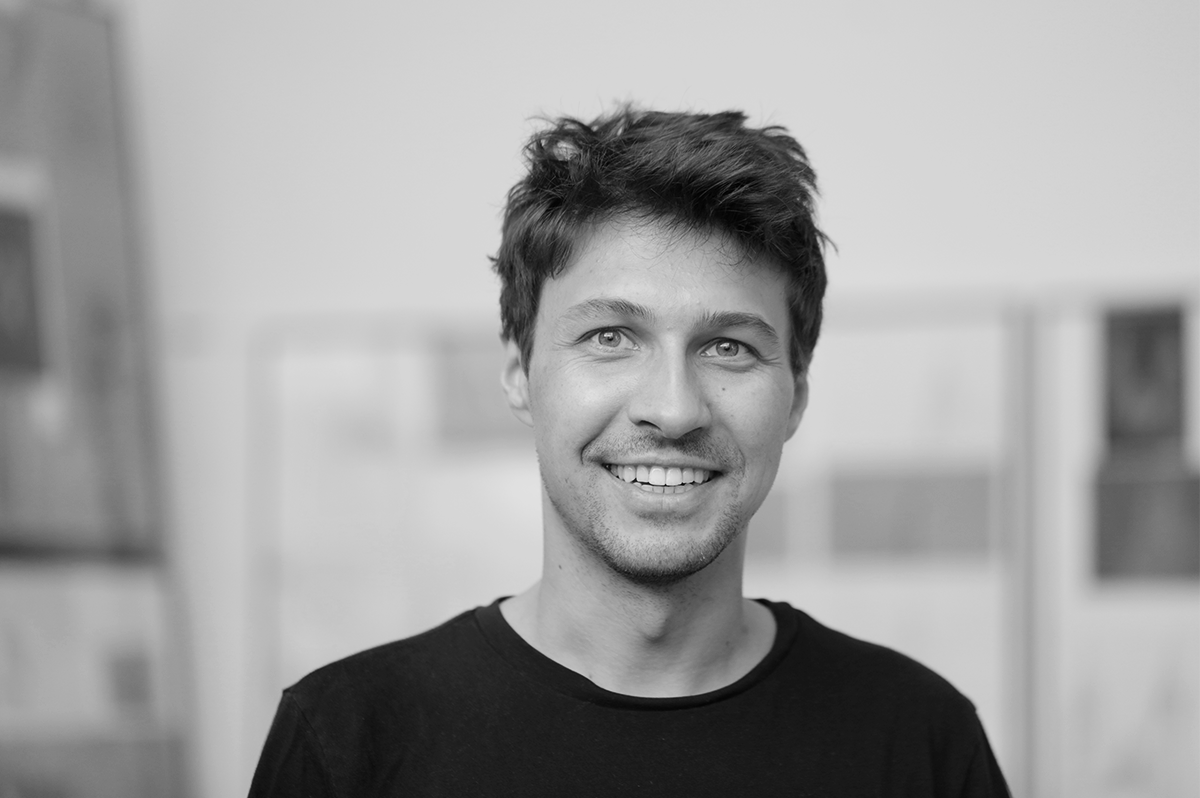
Johannes Lindner, German designer and architect, is one of Viefe's new collaborators. He develops a working method where minimalism and functionality meet in perfect harmony, as can be seen in our Beam handle.
Influenced by Scandinavian design, Lindner combines sustainable materials with a rigorous aesthetic that conveys clarity and durability. Since founding his studio in 2014, his creations have been recognised with awards such as the Red Dot and German Design Award.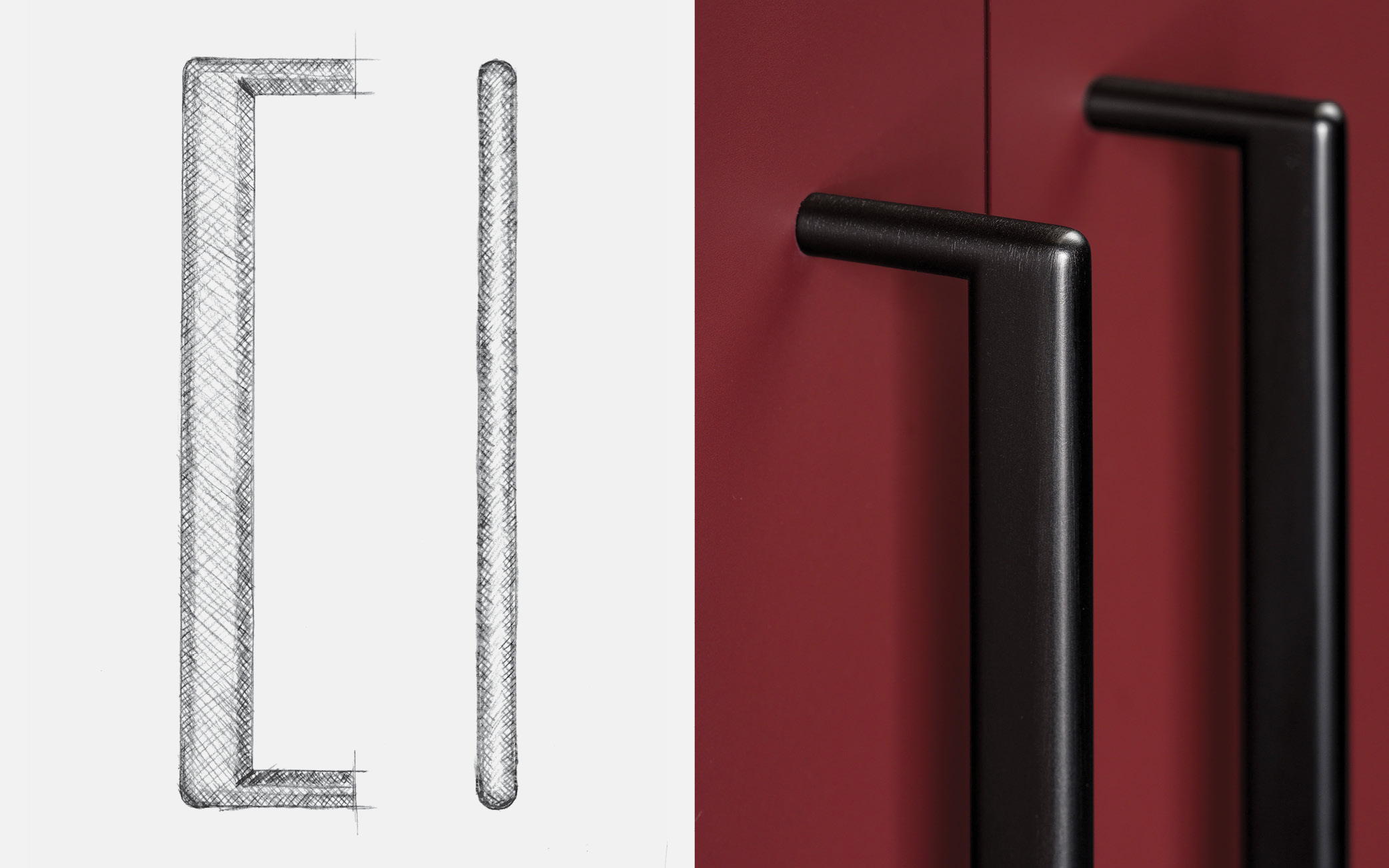 To begin, could you introduce yourself and tell us a little about your career as a designer?
I studied architecture at RWTH Aachen University, where I also founded my own design studio during my studies. Today, the studio focuses on product, furniture, and lighting design, developing durable, functional pieces with a strong identity.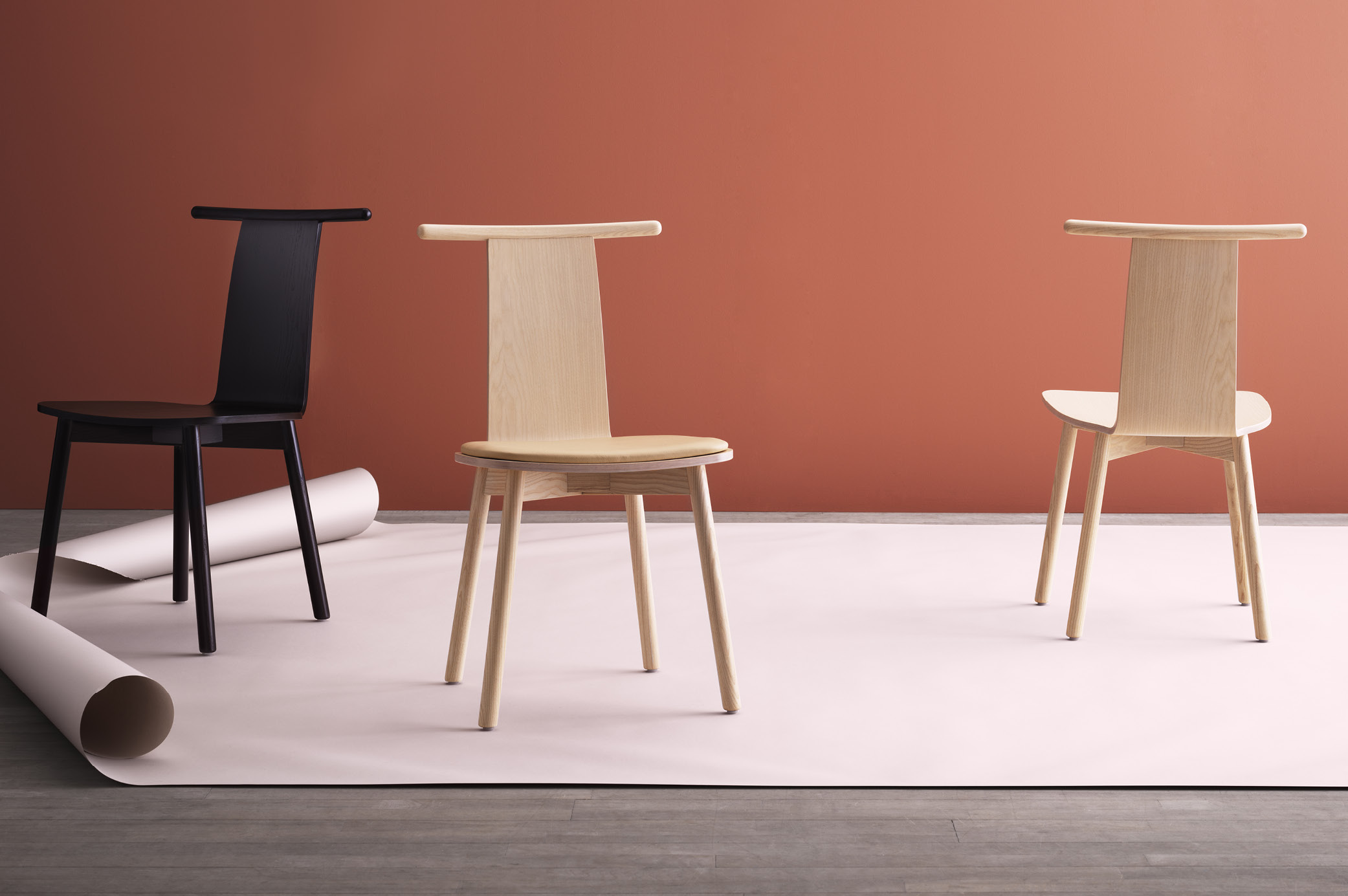 Which sectors have you worked for specifically?
 After completing my architecture studies, I initially worked as an architect. In addition to my studio projects, I regularly teach. As a lecturer in architecture at the Technical University of Würzburg-Schweinfurt, I have held courses on building construction and parametric design.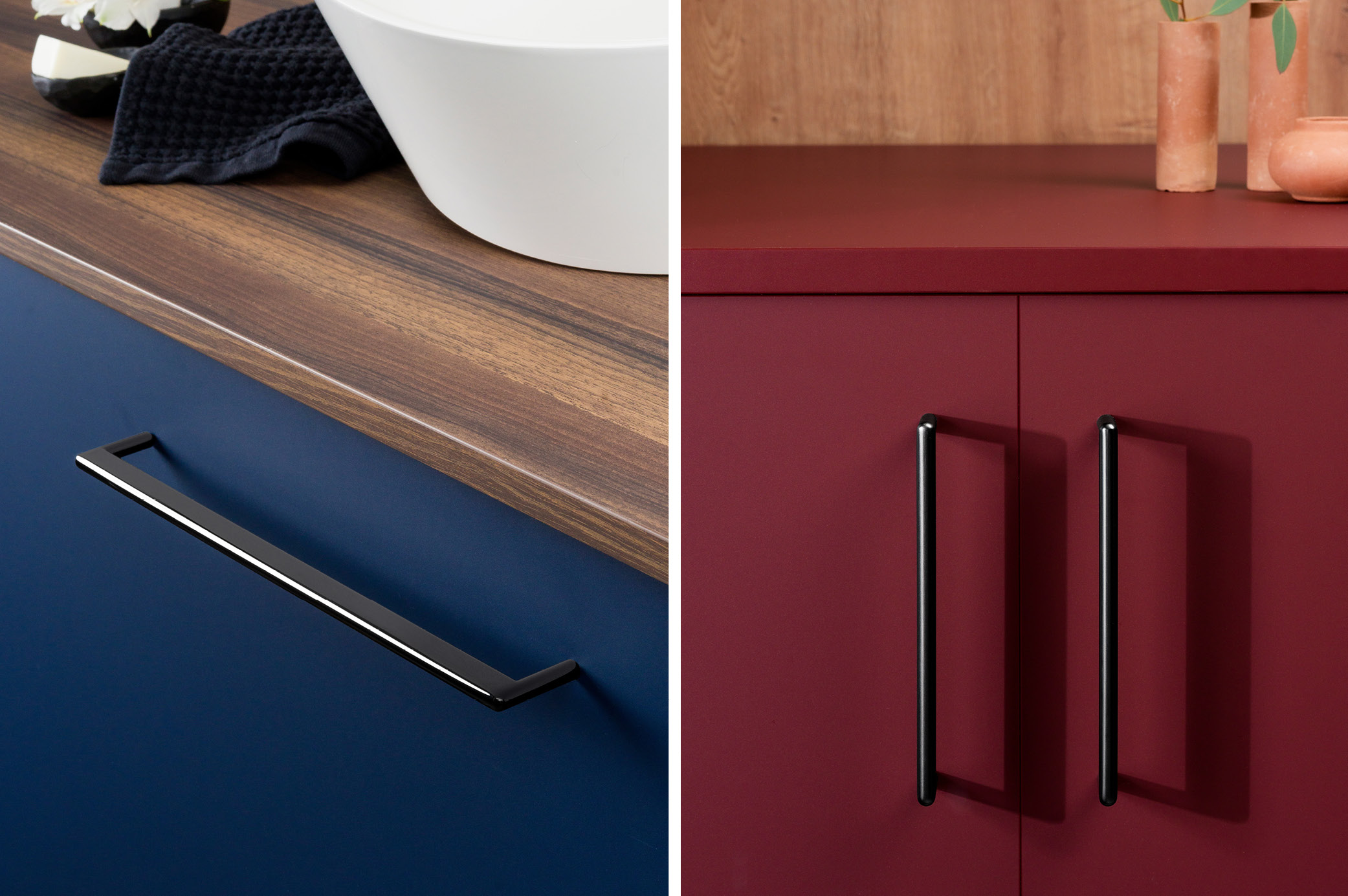 Can you name any work that you are especially proud of?
The most exciting projects are always the ones you're currently working on. But I'm very proud of my latest project, LIUM, a rechargeable lamp for Danish manufacturer GEJST, and our new Beam handle for Viefe.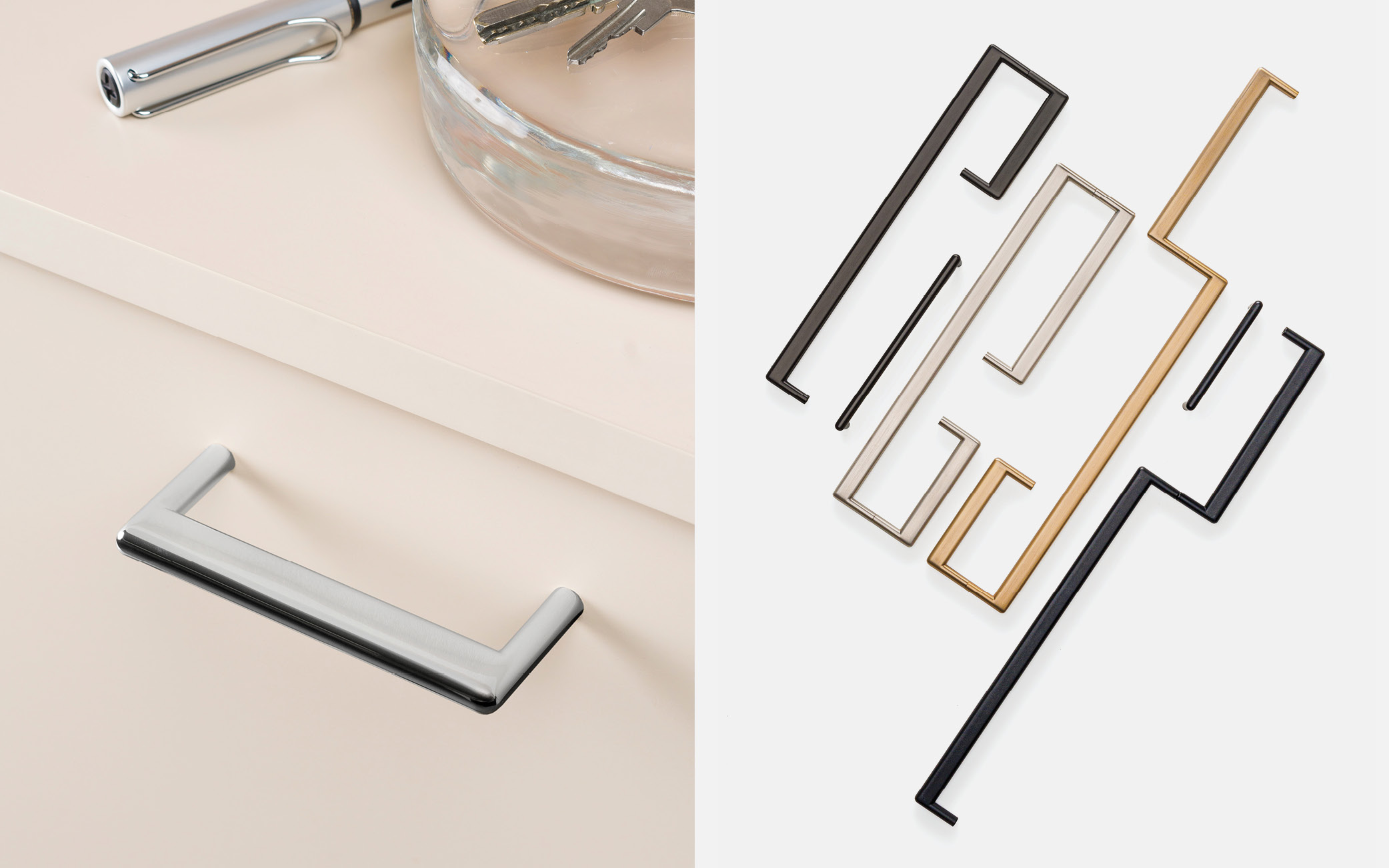 How did your story with Viefe begin?
I have been working in the field of handles before. The world of handles is very small, so Viefe was already familiar with my work. They asked me to think about a minimal handle for Viefe, which was the starting point for our collaboration.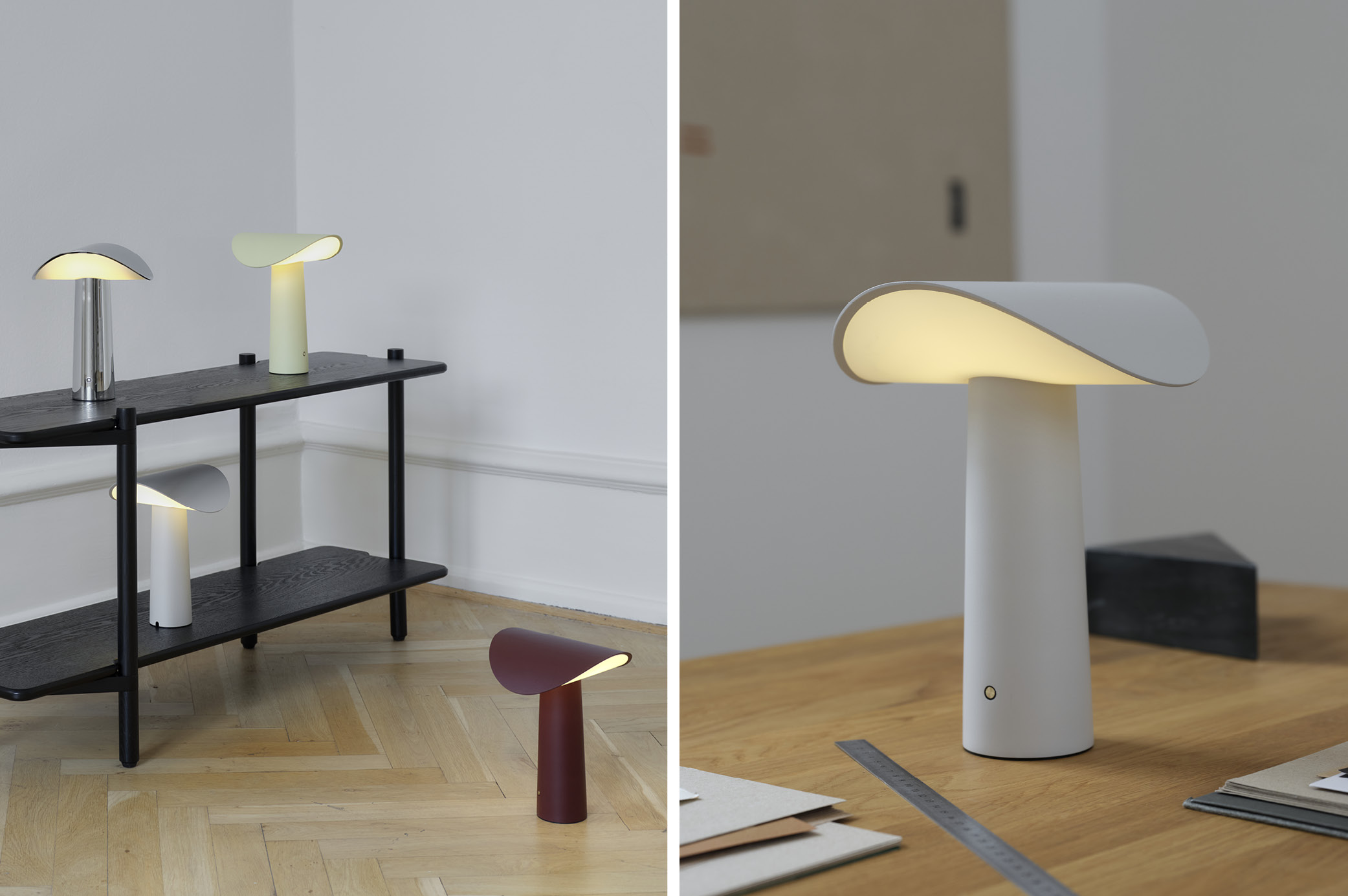 What has your experience been like designing in the world of knobs and handles?
I enjoy designing simple products, such as handles and knobs. This can sometimes be a very challenging task, you need to design a highly distinctive shape that is also functional and ergonomic. Details and radii are very important.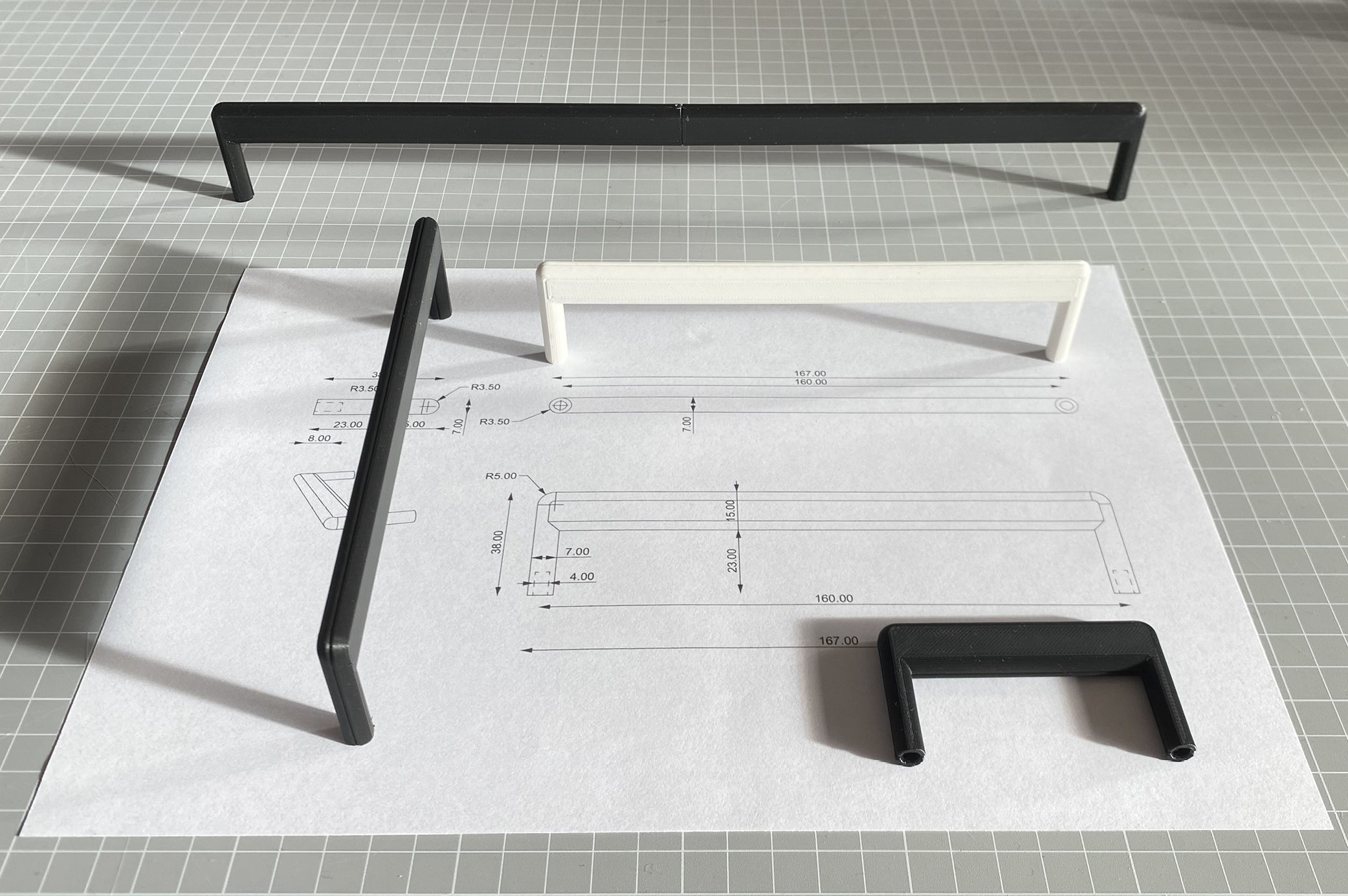 What was the initial purpose that led to the Beam handle?
As a trained architect, my designs are always based on an architectural mindset. With Beam, I translate the gestures of the play of perspective created by a beam resting on two supports. Viewed from the front, it embodies the elegance of clean, minimalist lines. From a top view, it reveals it’s a powerful, wide presence with a visual impact. The minimalist but functional design is characterized by precise and ergonomically rounded edges — a reduction of form to its expressive core.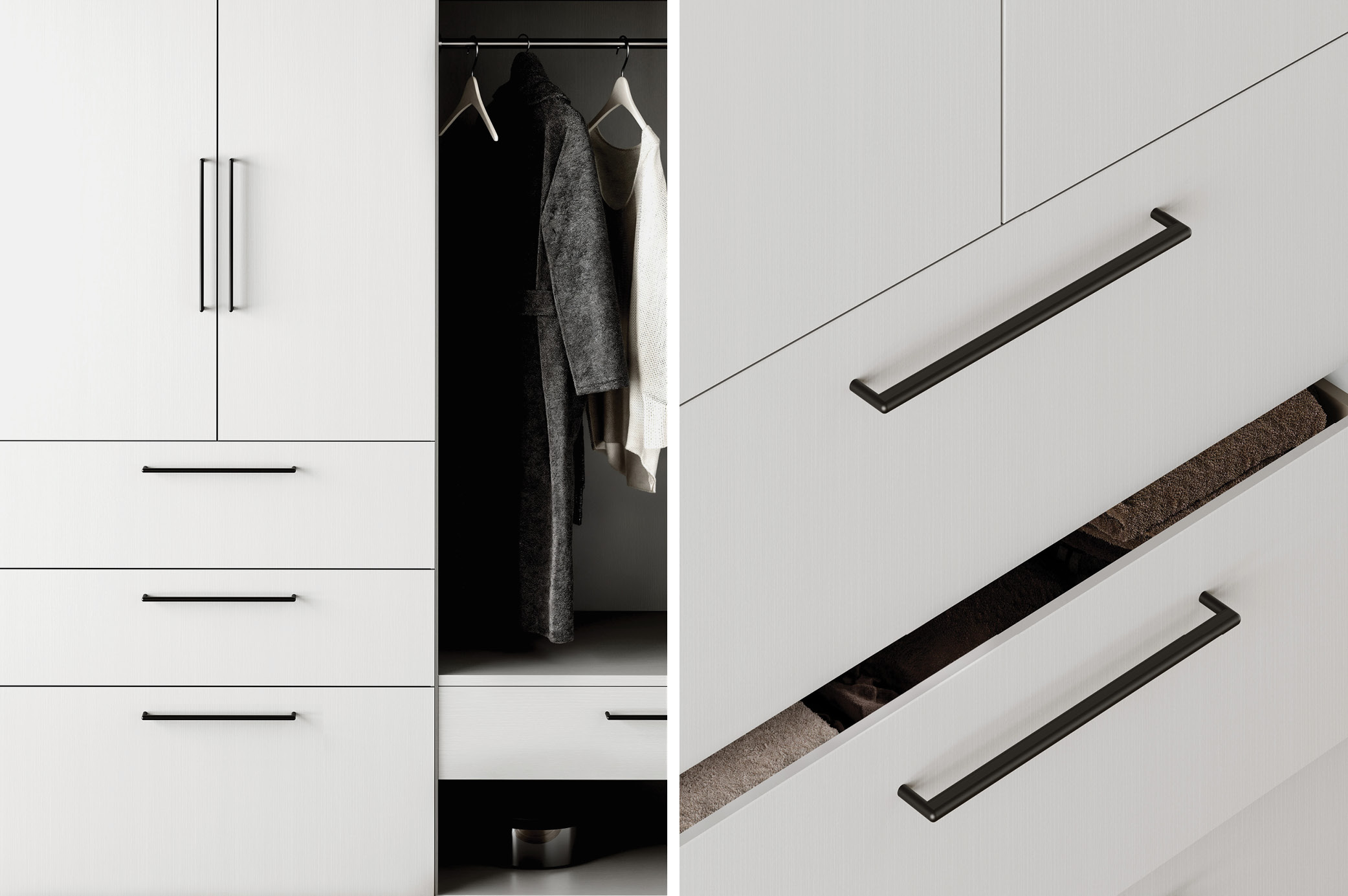 What’s your creative journey like when developing a new product?
The creative process begins with first sketches and research. Once an initial idea has been developed, the idea is further refined using 3D models. Ergonomics are particularly important for handles, but also perfectly balanced proportions and size. We verify this using 3D prints and mock-ups. When it feels right, an initial metal prototype is produced. The design process is always an iterative process, with the aim of making objects clearer and more obvious.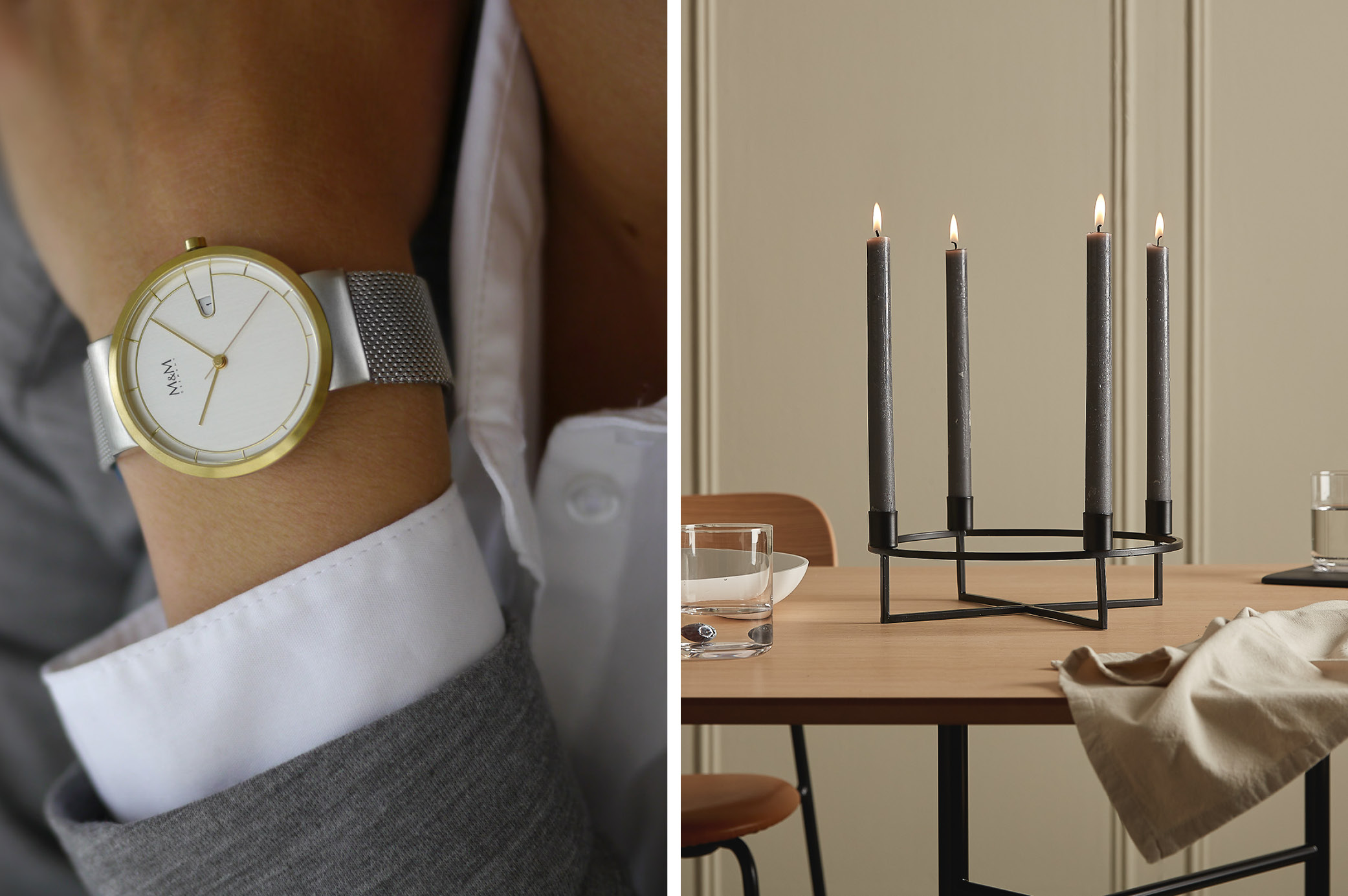 Who and what are your biggest sources of inspiration?
I draw inspiration from everyday life, from traveling, visiting trade fairs or talking to manufacturers. Above all, from working in various creative fields such as architecture. Architecture is usually large-scale and, whereas an object can be very small. The change in scale and complexity help me to focus on the essentials when it comes to objects, while constantly refining my design ideas.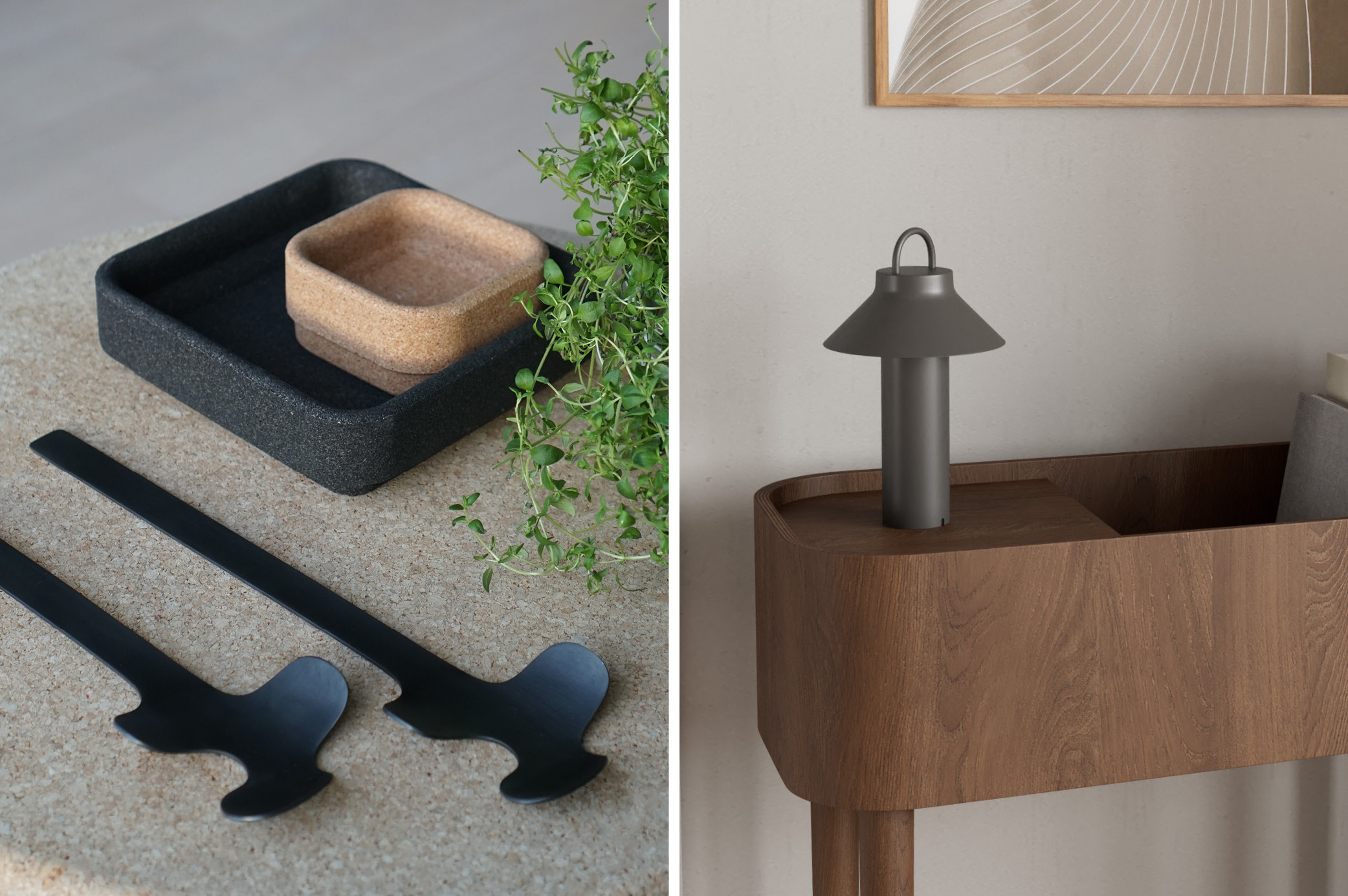 To wrap up, your favourites!
 · A material → both metal and wood
· A shape → should be well balanced to be interesting
· A colour → black
· A finish → matt
· A style of interior design → puristic and minimal spaces, a simple aesthetics, not in luxury, rather the opposite.
· Favourite space at home → Our dining and living area with open kitchen, a place to relax and meet up with friends.
· The perfect decorative accessory is the one that... is visually timeless and characterized by honest materials that lasts.