

16/09/2026
BUDDE connects people with spaces
BUDDE, the German studio founded by Johannes Budde and Meike Papenfuss, transforms everyday objects into sensory experiences. Their approach seeks to simplify, enhance functionality, and highlight the beauty of materials. Conceptually, they aim to create clear designs where every detail has a purpose. In this talk, we discover how their designs for Viefe add value to each project and redefine how we interact with spaces.
Briefly introduce yourself: How did BUDDE come to life? What motivated you to start the studio?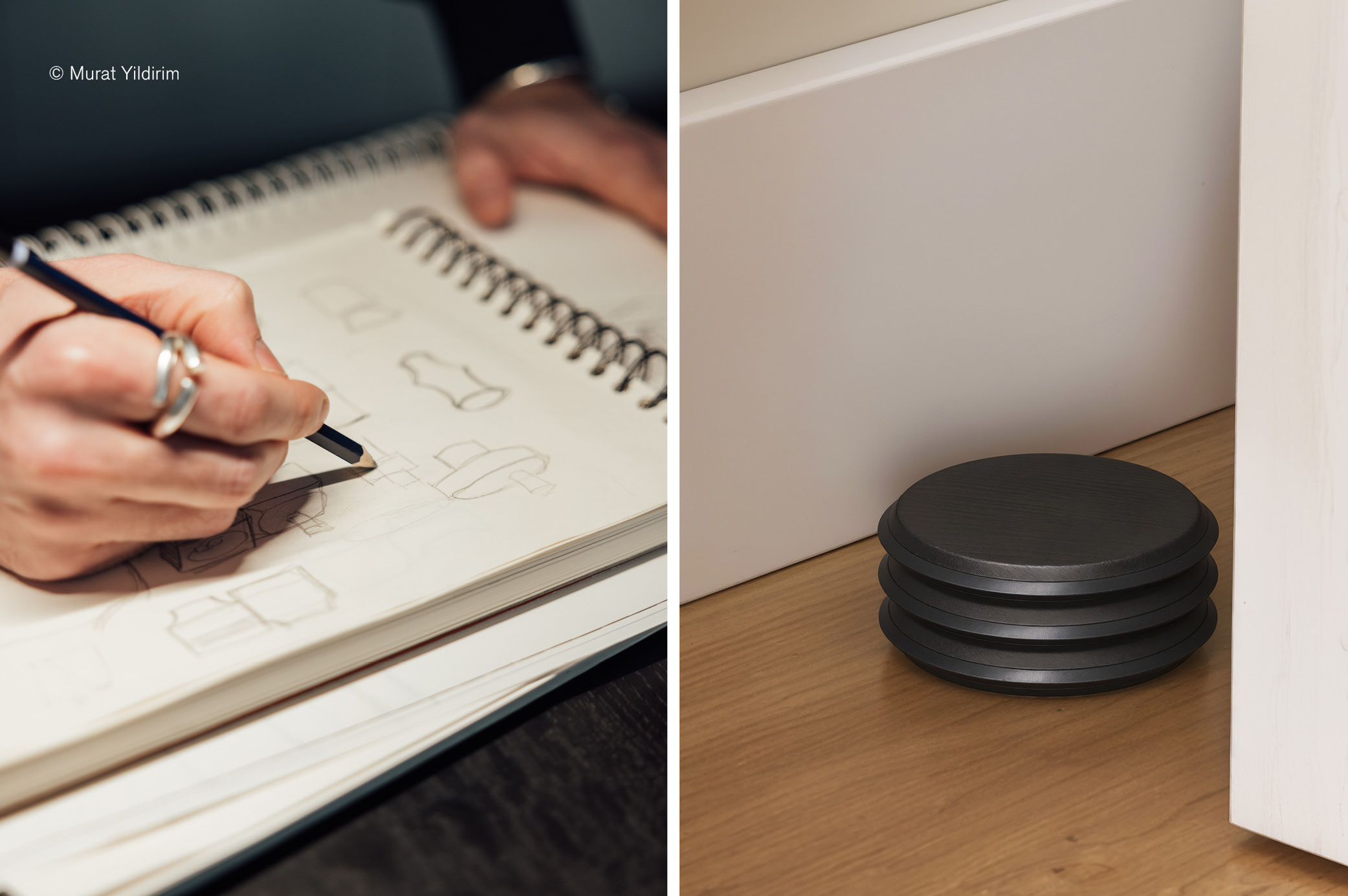 Which sectors have you worked for specifically?
How would you describe your design style?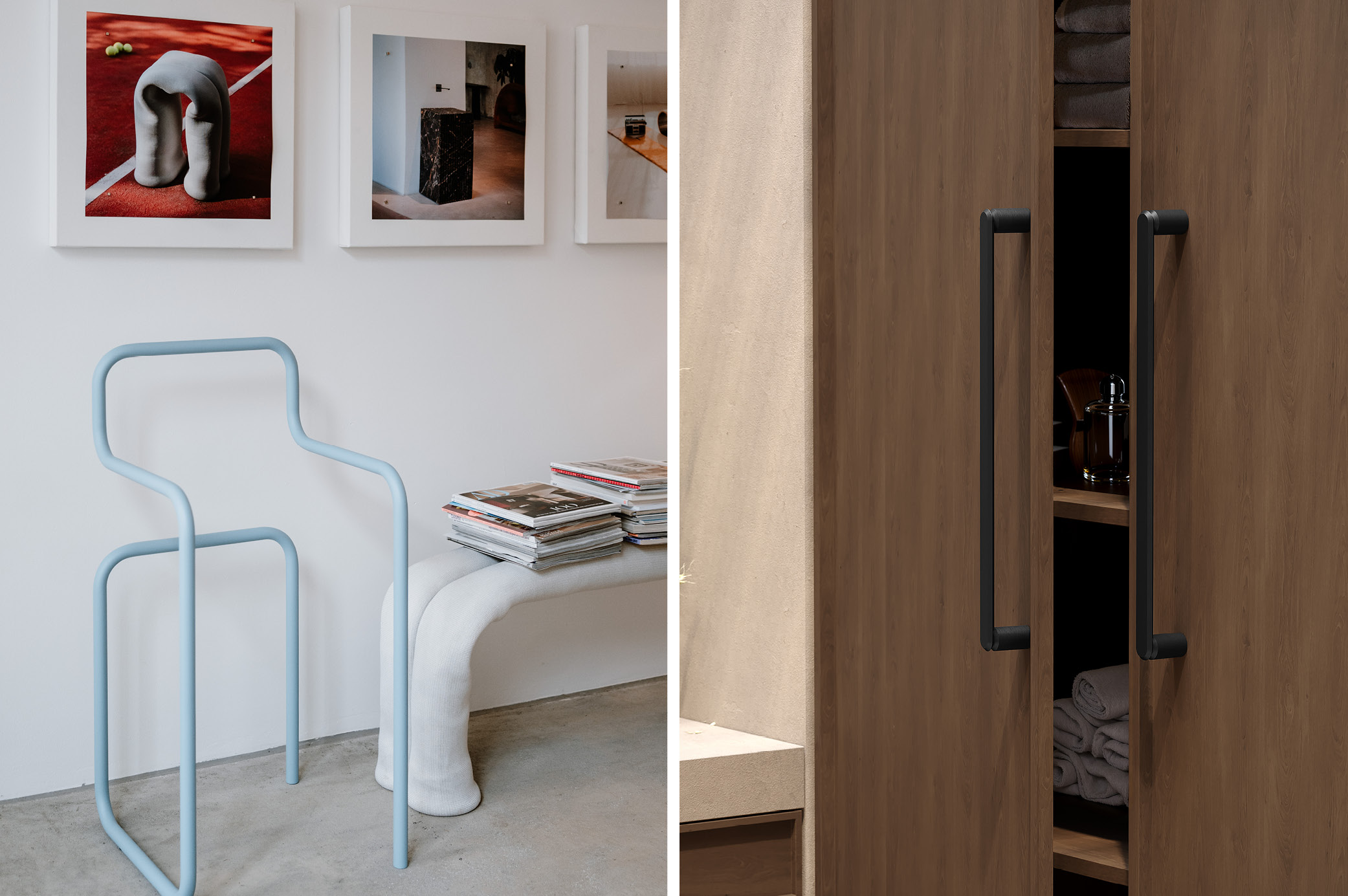 What’s your view on the industrial design sector?
What would you recommend to new talents starting their journey in industrial design?
What’s your creative journey like when developing a new product? What steps do you follow?
Who and what are your biggest sources of inspiration?
How did your story with Viefe begin?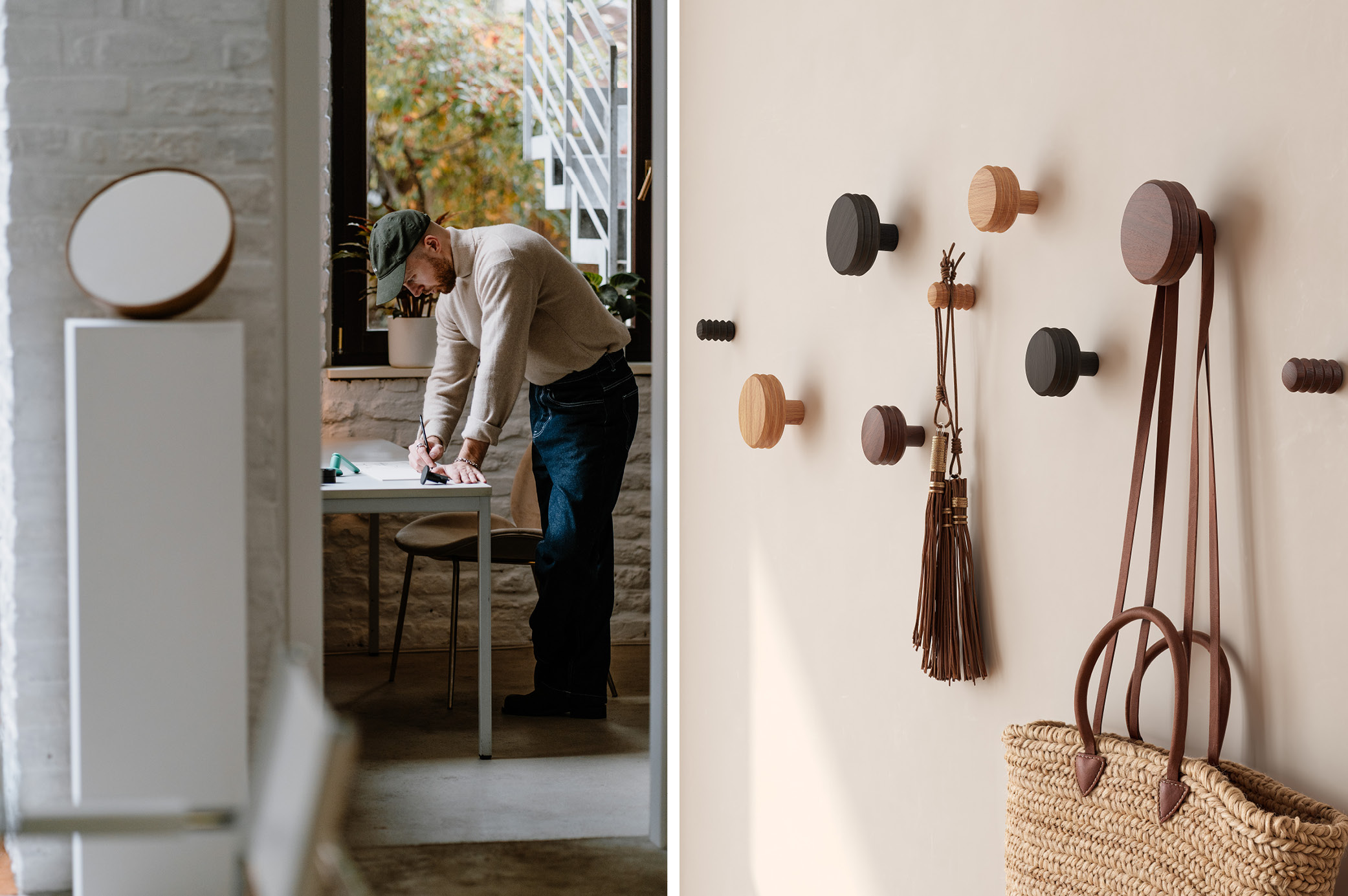 What do you value most about working with our brand?
What has your experience been like designing in the world of architectural hardware?
Which of the products that you’ve designed for Viefe, gives you the most satisfaction? Why?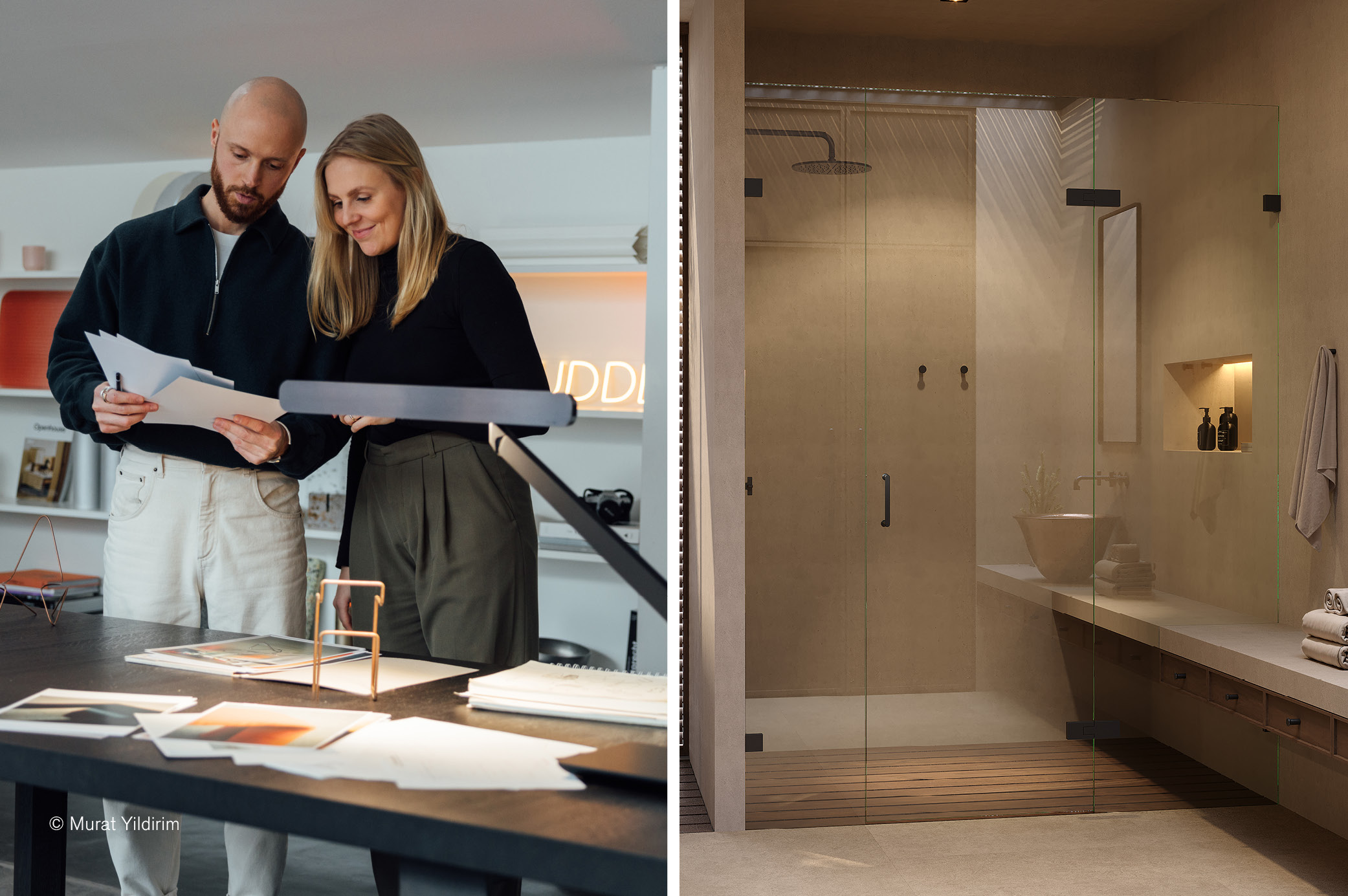 To wrap up, your favourites!
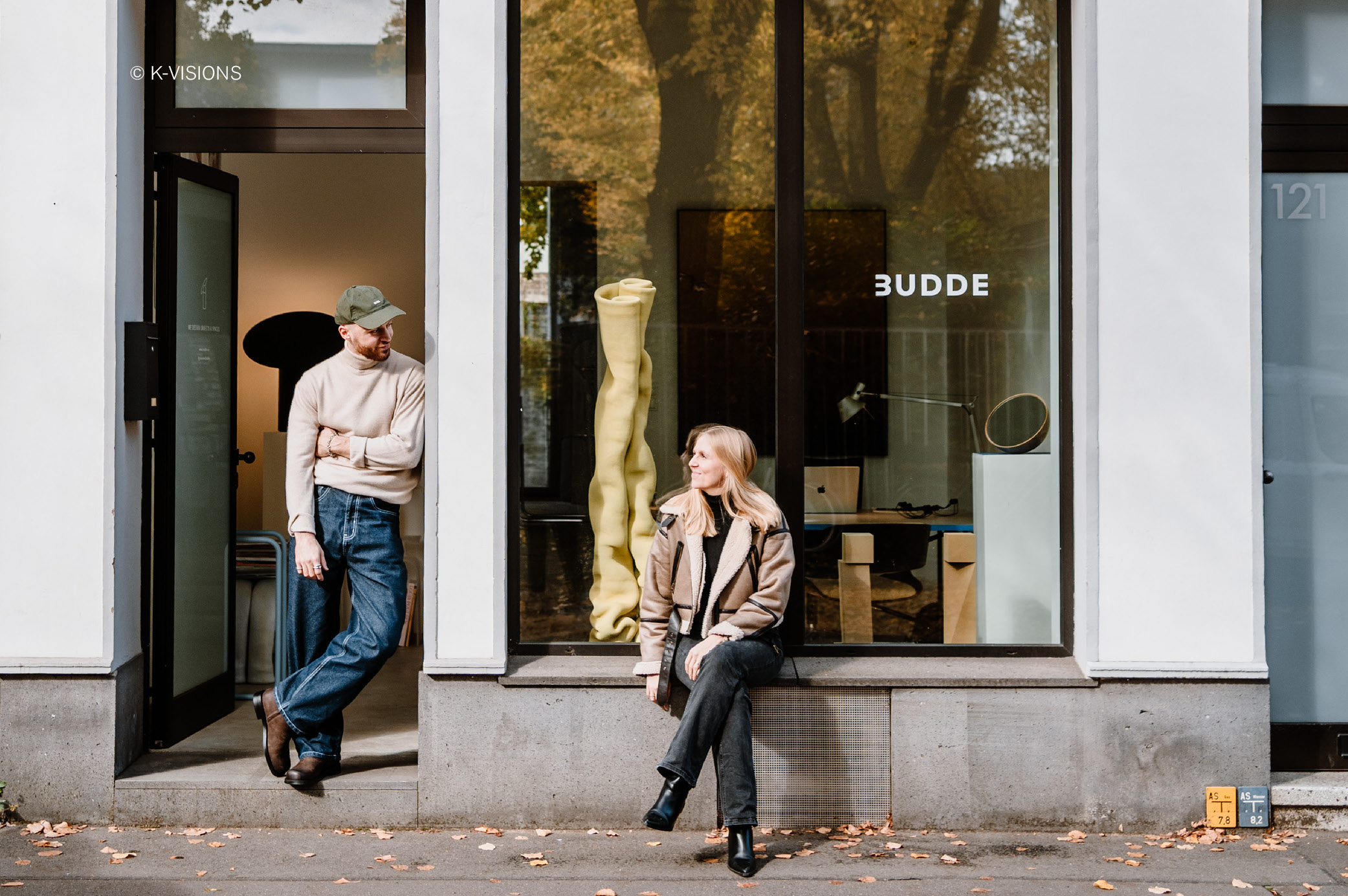
(J) My personal journey into design started with a fascination for art and its potential to influence emotions, behaviors, and interactions. This curiosity led me to study architecture and later pursue a career as an employed (interior) architect. Moving from architecture and interior design to furniture design felt like a natural transition to me and yet, opened an entirely new field to explore when I founded BUDDE in 2020. Meike, with a background in design management and branding, joined early to shape the business and strategic side of the studio. As a duo, we complement each other very well and found our own unique approach to designing furniture and architectural hardware. The timing of building BUDDE coincided with the pandemic, which gave us a moment to pause, reflect and align our professional aspirations. The pandemic, while challenging, also highlighted the value of thoughtful design, as people began seeking pieces that added meaning and beauty to their homes. Looking back, it was the right time to start this journey.
Which sectors have you worked for specifically?(M) We work across commercial and collectible furniture design, lighting, home decor, architectural hardware, and interior design. Each discipline has its own nuances, yet they are clearly interconnected , allowing us to approach projects in an interdisciplinary and holistic way.
(J) Conceptually, we strive for clarity in our designs, distilling each object to one essential idea where every detail should serve a purpose. We always try to carve out and highlight the natural features of a material, whether it’s colors of natural stone, textures of wood, or flexibility of metal. Moreover, many of our collections encourage interaction and thereby, (re-)connect people with their senses and surroundings. Our designs should not feel distant like art sometimes does, but very tangible and inclusive for everyday use. In order to achieve this, aesthetic and functionality have to go hand in hand.
What’s your view on the industrial design sector?(M) Industrial design plays a crucial role in shaping everyday life. It’s about solving problems through thoughtful solutions but also about creating emotional value beyond pure functionality. The best industrial design strikes a balance between logic and poetry – practical, yet capable of sparking a feeling.
(M) Build a network: opportunities often arise through the people you connect with. Show and share your work, even if it’s not perfect yet. Build a team with complementing skillsets and characters.
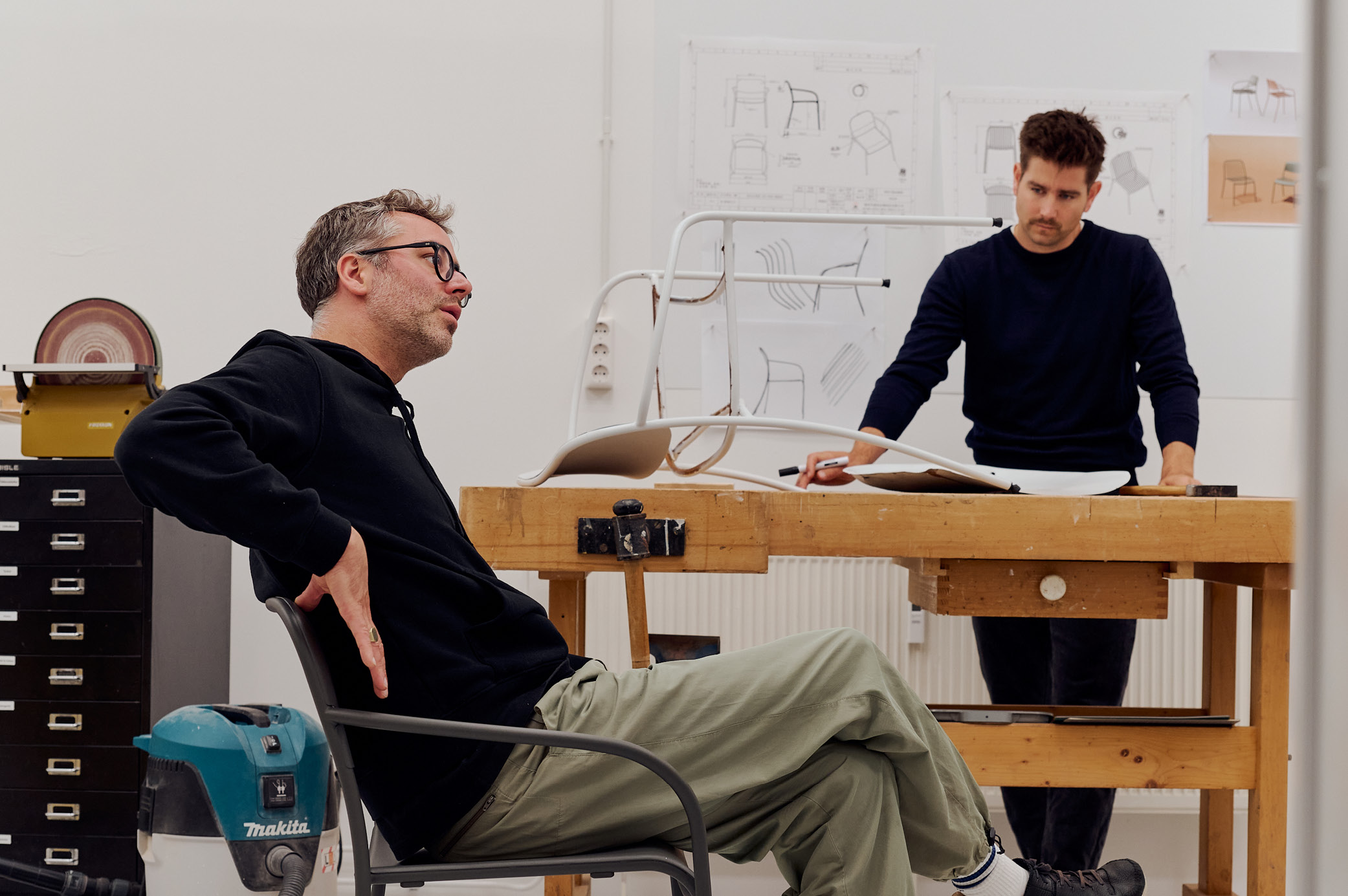
(J) The process typically starts with a rough idea, sometimes a sketch, sometimes just an abstract thought. We quickly translate it into 3D and test proportions digitally before printing small-scale prototypes. Having something tangible helps refine shapes and details. When collaborating with brands on commercial products, we work closely with their in-house experts. They bring deep material knowledge and production insights, while we focus on concept and design direction. It’s a back-and-forth process of refining, testing, and adapting until the final piece is ready for production. For collectible designs, the process is more open-ended. We experiment with forms, textures, and material treatments, often working with artisans or fabricators to push boundaries and explore unconventional methods.
(J) Our inspiration comes from everyday life, observing, reflecting, and creating with a specific context and audience in mind. A change of environment or perspective can spark new ideas, as can breaking routines and consciously seeking new experiences. Even small changes, like rearranging a room, can make the familiar feel new again, unlocking fresh perspectives. Silence is just as important. The best ideas often come in moments of stillness, just before falling asleep. Letting go of mental noise allows thoughts to surface and take shape. A person who continues to inspire me is James Turrell. His ability to blur the boundaries between landscape, architecture, and objects through the use of light is simply fascinating.
(M) Sometimes, the best “love” stories begin without the highest expectations, don’t they?
We simply reached out and convinced the team with our proposals – tailored to Viefe’s needs at the time. Afterward, we met in person during Salone del Mobile in Milan. It was a fit on a personal level which we believe is the best foundation for a long-term collaboration.
What do you value most about working with our brand?(M) We truly value the trust Viefe placed in us as a newcomer design studio and not having extensive experience in the sector of architectural hardware. The team’s openness, honest feedback, and collaborative spirit have been key to our creative process. It feels like a true partnership built on mutual respect.
(J) Architectural hardware is fascinating because it’s often overlooked. Handles, knobs, or hooks serve clear functional purposes, yet they shape how we experience a space. At first glance, it may seem that everything already exists, but we quickly learned that there’s still plenty of room for innovation. These small-scale objects can add surprising emotional value and transform a room through subtle details. The creative constraints of this category make it even more rewarding. Designing for Viefe has been both challenging and fun.
(J) As an architect, I’d say the door handle. It’s a product we touch countless times a day, yet rarely think about. That’s what makes it so interesting – it’s intimate, functional, and symbolic at once. Designing something so “ordinary”, yet giving it a sense of character and surprise, feels really rewarding.
To wrap up, your favourites!A material… Can’t decide! We love variety
A shape… Round
A colour… Dark red
A finish… Satin matt
A style of interior design…“make it your own” (individual freedom over categorization)
The perfect decorative accessory is the one that… Sparks thoughts and emotions.
Your favourite space at home… Lying on a cozy rug in the living room.