


24/07/2024
A talk with the designer Ilja Huber, from Berlin
Ilja Huber is a Berlin-based product designer whose work focuses on furniture, lighting and other multidisciplinary areas of product design. He is driven by his passion for experimenting with industrial and artisanal processes. His approach is to create purist and honest design with the best possible solution in terms of a product's functionality and quality.

Present yourself briefly: tell us about your career up to now.
After studying design at the University of Fine Arts in Hamburg, I founded my own studio in 2019, which is now based in Berlin. In the same year, I won first place at the Pure Talents Contest of imm Cologne, and in 2020, I was awarded the "Best of" label of the Design Plus Award at Light + Building in Frankfurt. My work focuses on furniture, lighting, and other multidisciplinary areas of product desig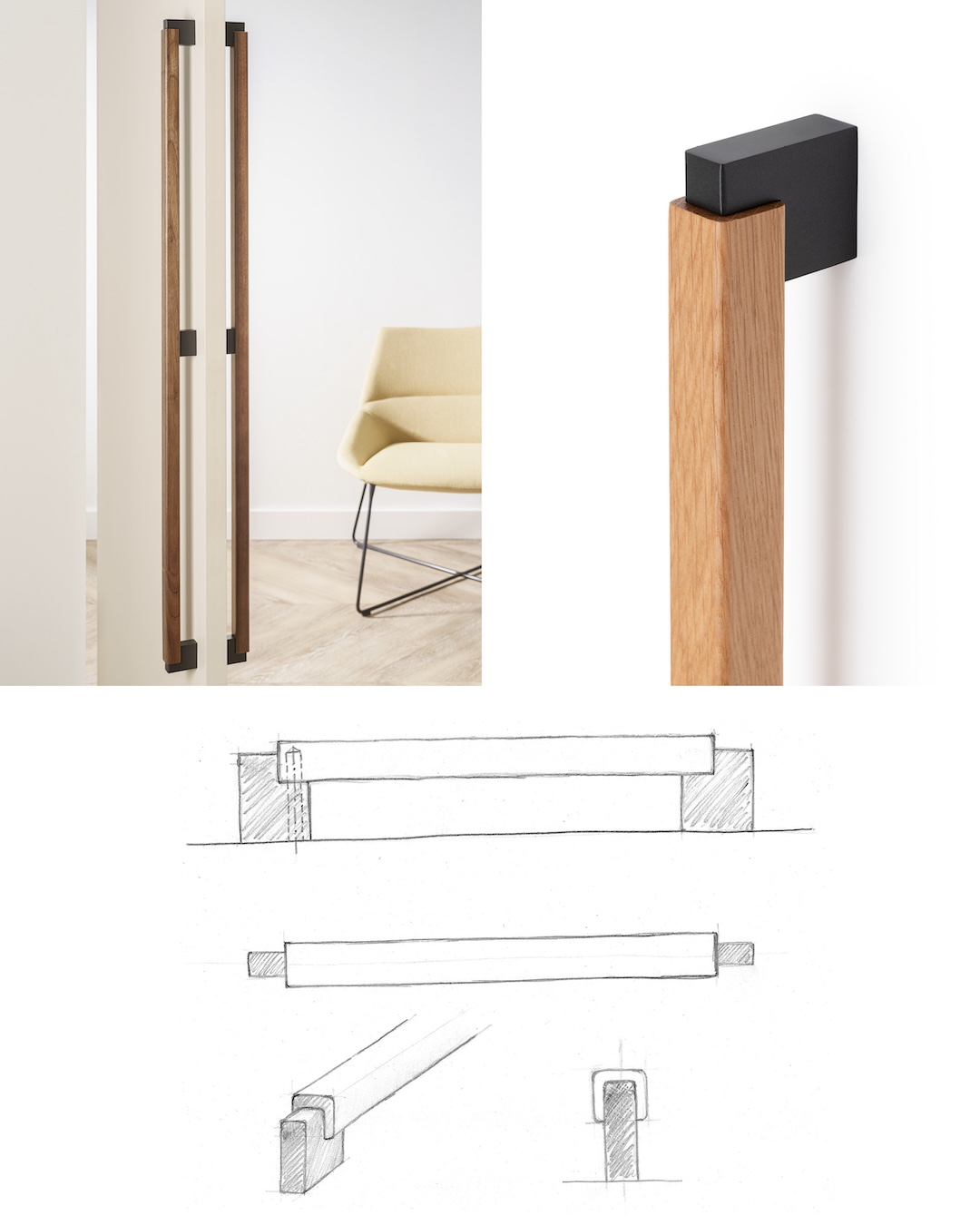
Which sectors have you worked for specifically?
I completed an apprenticeship as a toolmaker with an automobile manufacturer in forming technology, which gave me extensive experience with metal. During my studies, I expanded my knowledge to include other materials such as wood and plastic. I spent a lot of time in workshops.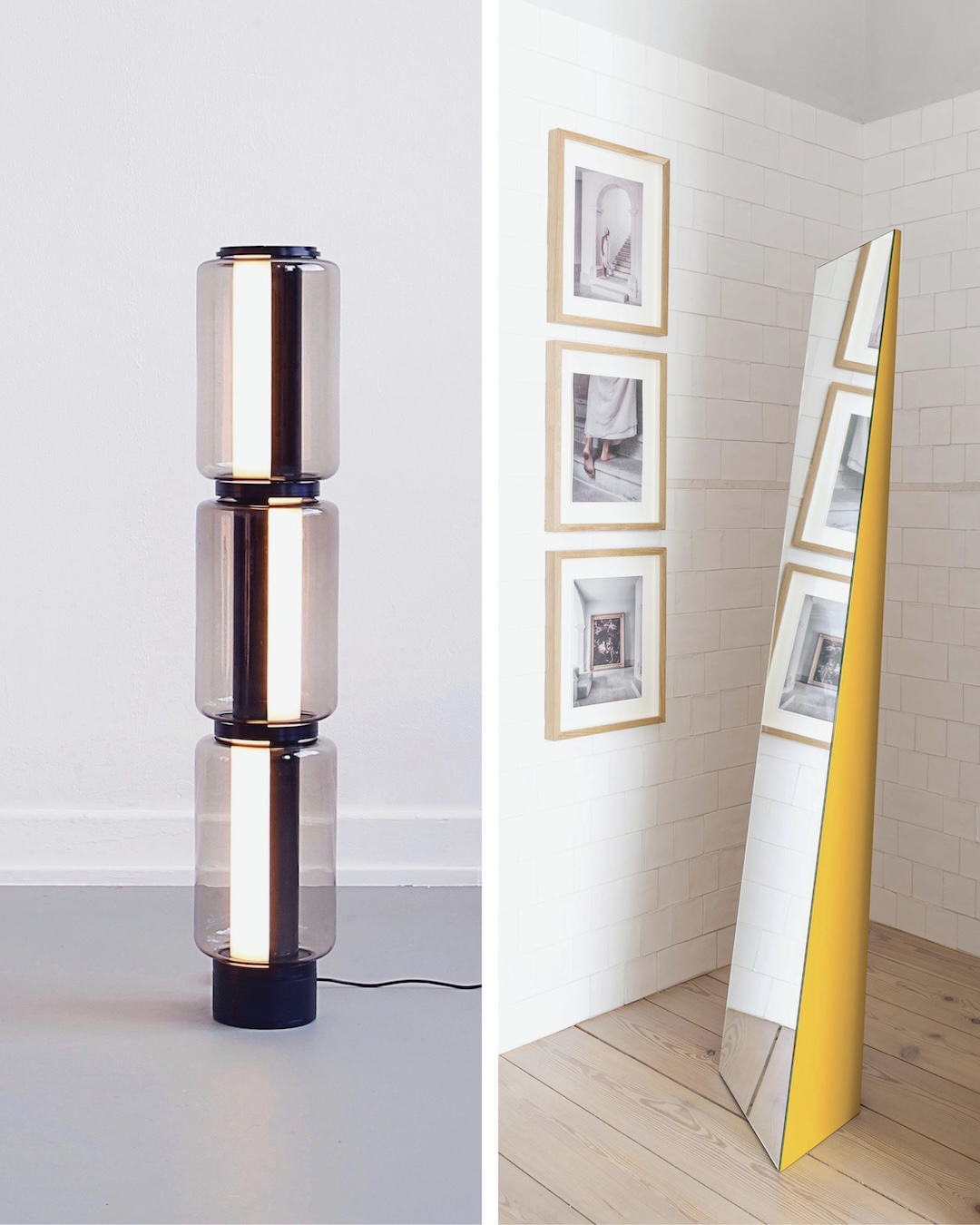
Can you name any work that you are especially proud of?

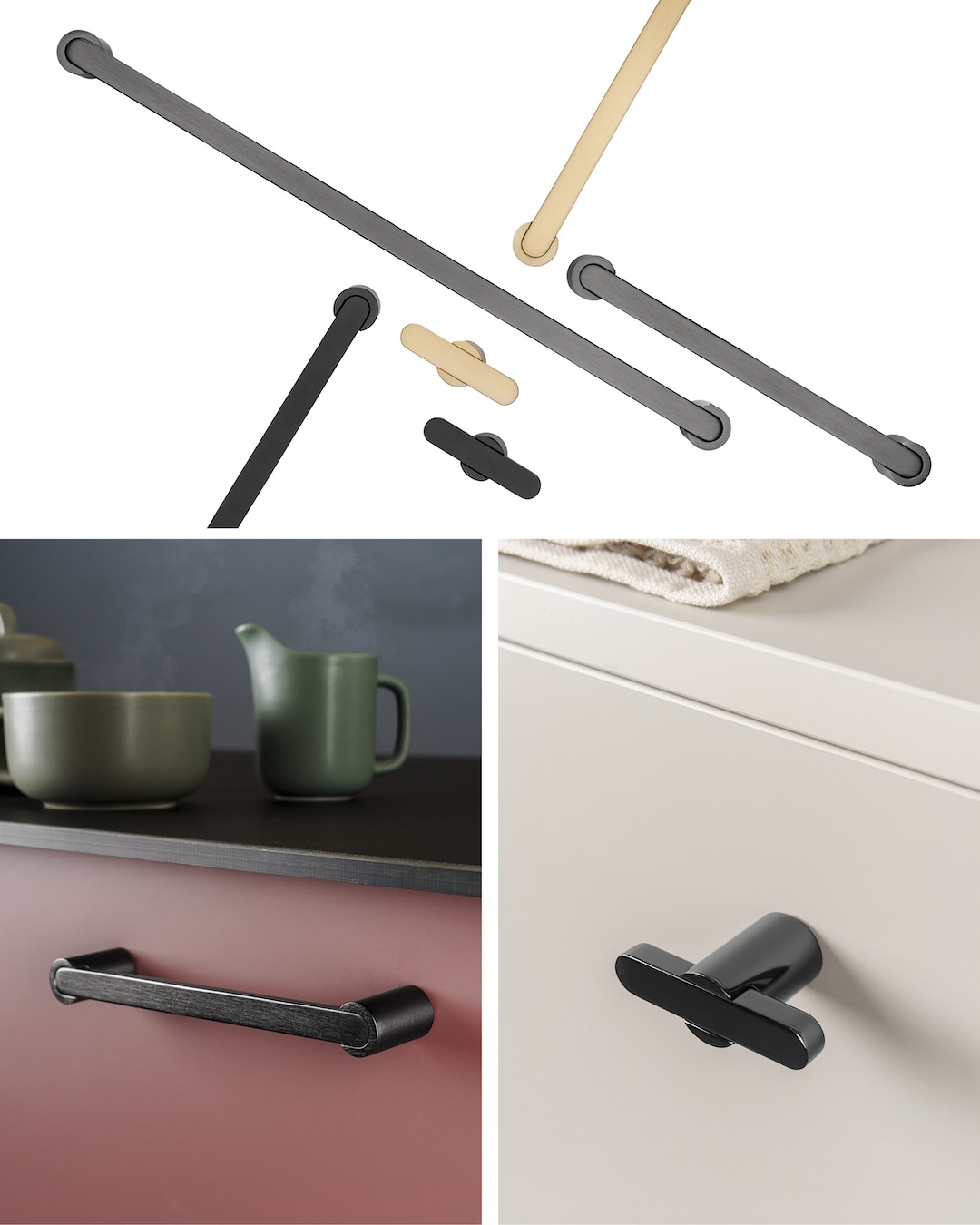
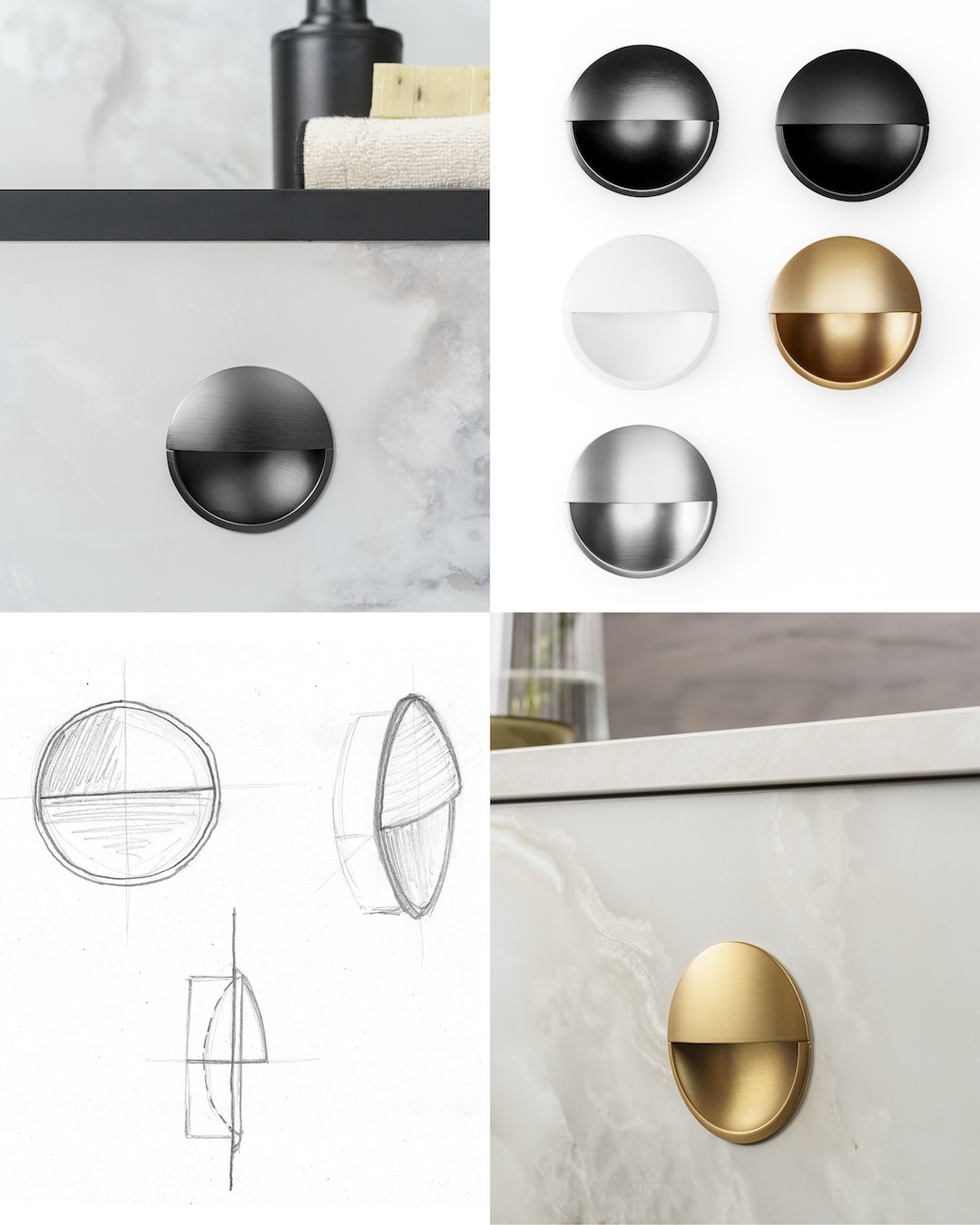
That's really hard to say, but it's mostly whatever product I'm currently working on! :)
How and why did you start to collaborate with Viefe?
I was impressed by the history and portfolio of Viefe. I presented my initial ideas, and there was immediate positive feedback on my work. Finally, in 2024, Viefe released four of my designs. I was very pleased about that! Viefe has a lot of drive and energy to push things forward, and they are very good in what they do... for me, the best partner for a successful collaboration!
Is this your first time working in the world of knobs and handles? Tell us about your experience.
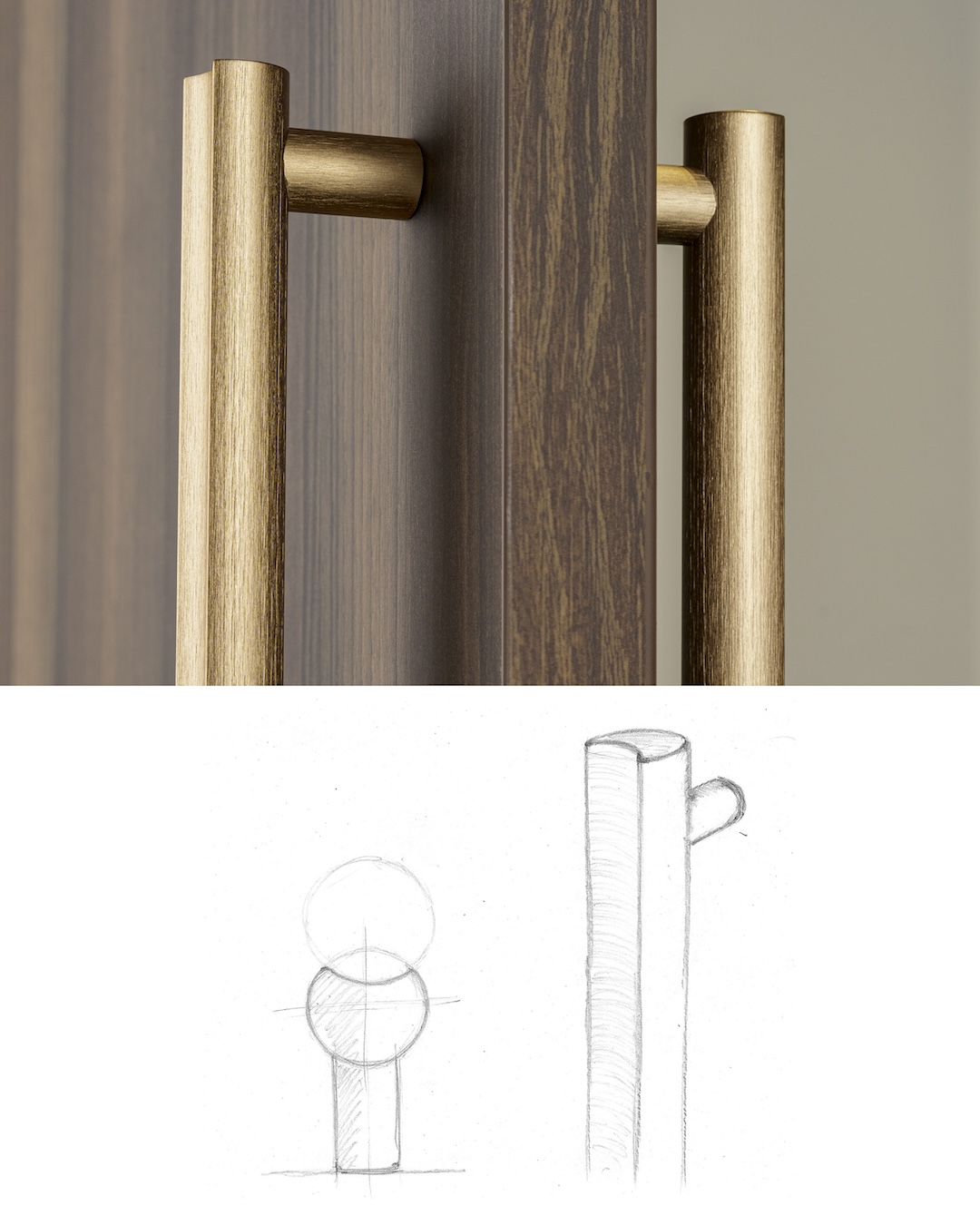
I have already been able to gain initial experience in designing handles. The special thing about handles is that they are objects I can build as 1:1 prototypes and test for functionality. Compared to a sofa, for example, this requires a slightly different approach. My training as a toolmaker has given me a good understanding of the manufacturing process, which helps me a lot in designing handles.
What steps do you follow when you’re designing a product?
It always depends on the project, the requirements, or the given briefing. The starting point can be many things: a material, a particular detail, or a function. Based on thorough research, the initial ideas and sketches emerge, followed by rough 3D models, prototypes (mock-ups), and 3D prints, which have been crucial especially for the handles. 3D printing is a perfect tool to test the handling and functionality and to define the shape and size of the handles.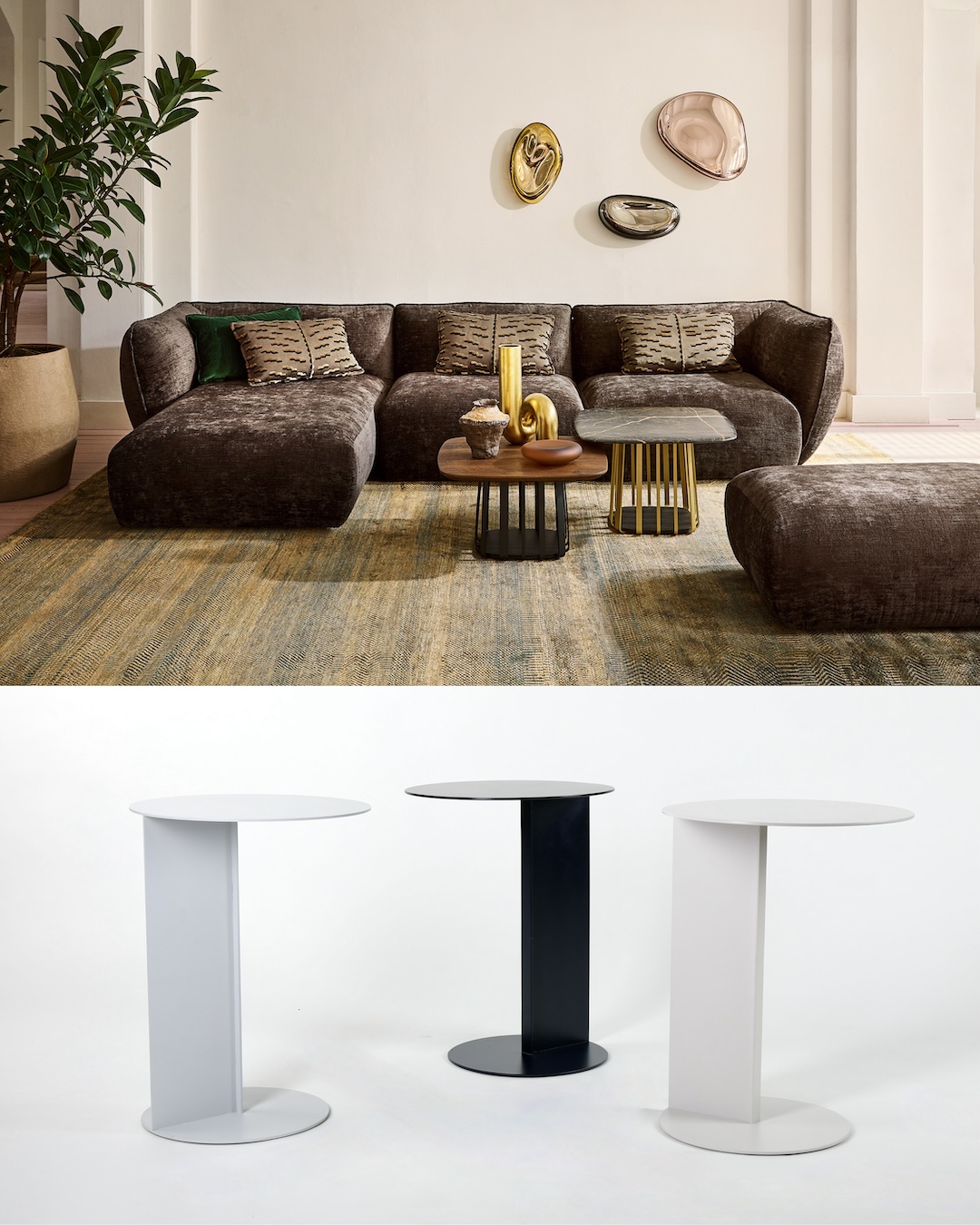
Who are your references?
References and inspirations arise from observations of our surroundings and engagements with specific topics. You never know when a good idea will come up… It could simply be anything. Sometimes, creativity emerges from experimentation and even from what might initially seem like mistakes, which can unexpectedly lead to a good idea.
And your sources for inspiration?
A material...
Metal
A shape...
Hard to say, but usually linear and geometric
A colour...
Grey
A finish...
Raw
A style of interior design...
Puristic and comfortable
The perfect decorative accessory is the one that...
is practical and functional. I don't like objects that just stand around, except for flowers or plants.
Which is your favourite part of the house?
I would say the living room is the space where we spend the most time with family and friends.
If you had to choose one of your Viefe designs as your favourite, which would it be?